Table of Contents
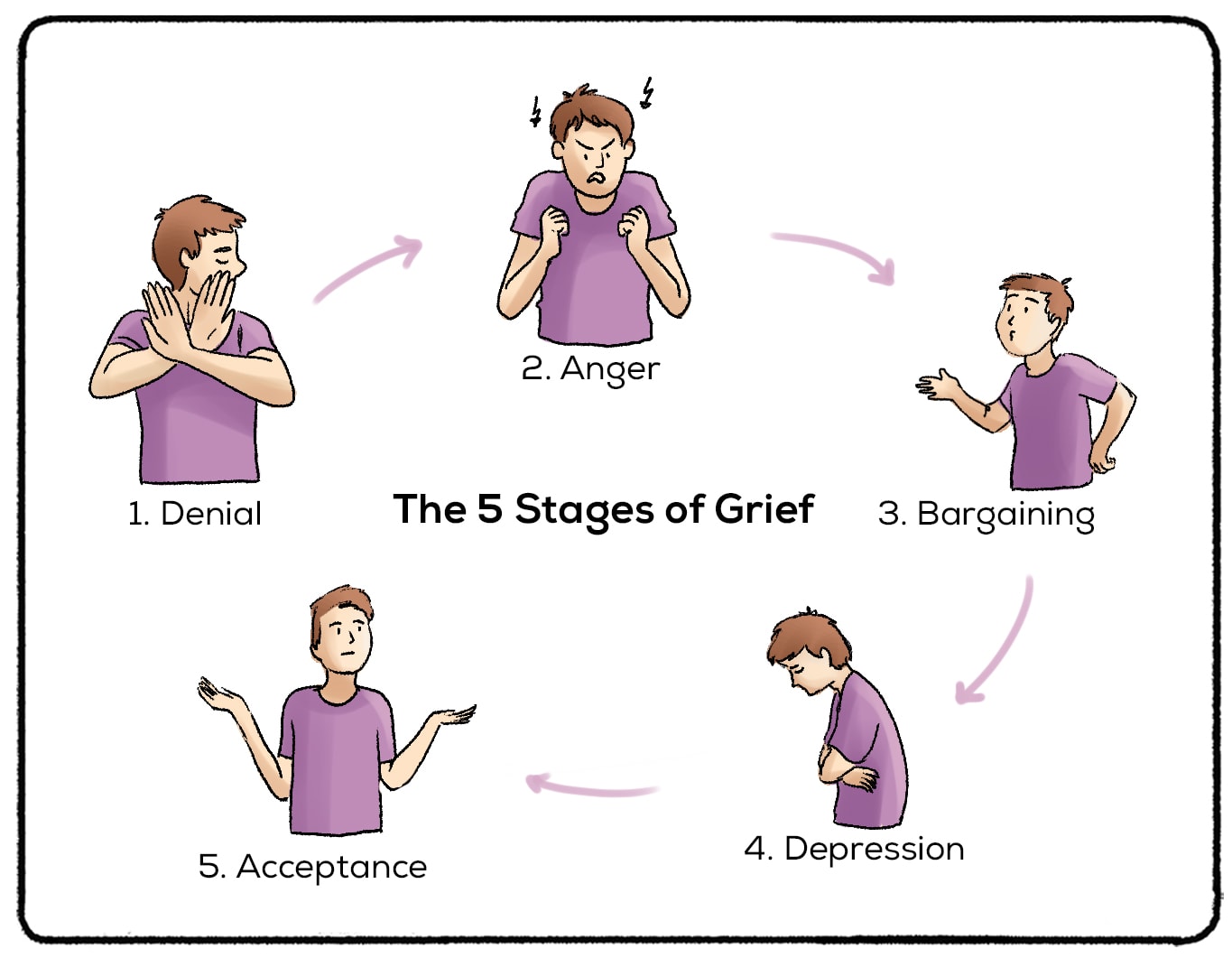
Despair is a challenging procedure that differs from one person to another. The five stages of pain denial, temper, negotiating, depression, and acceptance are a handy framework for considering sorrow, yet it doesn't suggest we'll go through every stage. In a similar way, we can experience these elements of sorrow at various times, and they do not happen in one certain order.

This site utilizes cookies to help personalise content, customize your experience and to keep you visited if you register. By remaining to use this website, you are granting our use cookies.
This cyclical framework is meant to help you much better recognize your sensations and is not planned to prescribe how you should grieve, what you need to be sensation, or in which order. Each phase might come and go or overlap the others.
Find out extra about the 7 stages of pain. Pain can be a challenging and unpleasant process.
Unprocessed Grief and Success in San Francisco
That's because no one can ever before be genuinely prepared for a loss so substantial. Most of the time, this is because your body has actually not refined the loss.
These sensations and experiences are self-protective systems that act as a buffer to make sure that you are not overwhelmed all at as soon as. Since the death of an enjoyed one can have such a substantial influence on you, you may experience denial. Throughout this stage of despair, it is simply as well difficult for your mind to understand that your relative, good friend, or other liked one is gone.
As you gradually start to accept the loss and what it suggests for your life now, your denial will start to decrease. You may have a wider variety of sensations and emotions when rejection diminishes. Until after that, you may have periods when you really feel distressed, which can be caused by reminders of your loved one.
In some cases, it's a normal sensation to wish to prevent others to ensure that you do not have to recognize or discuss your loss. Often, you feel forgetful, get easily sidetracked, or procrastinate during this phase of despair. You might likewise attempt to remain active constantly or shut down emotionally.
Reparenting for Adults Through Integrative Therapy in San Francisco
In specific circumstances, you could also really feel angry with the doctor, your close friends, family members, God, or any kind of various other soul(s) you rely on. Yet under all that temper is your discomfort. While it may be unpleasant to take care of, it supplies extra framework to your grieving than continuing to be numb.
Throughout this phase, people typically really feel defenseless and hopeless and ask themselves "suppose" concerns. You may feel guilty for refraining even more to keep the loss from happening or for not investing even more time with the individual you shed. Throughout the negotiating stage, it's typical to question or say, "I should have done this ..." or "If I had just done that ..." While these kinds of uncertainties are regular, they are not where you want your idea process to remain.
Shifting from Achievement Mode to True Fulfillment
It may additionally be handy to do something certain, like write a letter to your liked one or chat to them out loud. When you come to terms with the truth of the loss, a deeper level of unhappiness may start to slip in.

You can additionally check out for a list of extra sources or call the number below to reach Compound Abuse and Mental Health And Wellness Providers Administration (SAMHSA) hotline. The screening phase of the mourning procedure frequently involves trying out various points that help you progress. In this stage, you are beginning to develop your new regular in addition to processing your feelings and emotions developed by the loss.
Reaching the approval phase does not suggest you are OK with what occurred. Rather, this part of the grieving procedure is more concerning accepting what your life resembles now. You will still need to pay attention to your sensations and readjust, however you will start to feel more wholeeven if it looks various than it did previously.

Navigation
Latest Posts
The Intake Process for Psychoanalytic Work in Chicago
Cognitive Behavioral Therapy for Cross-Cultural Contexts
Building a Career of True Purpose in the San Francisco Area